EU Pharmaceutical Reform: A Digital Leap in Regulatory Submissions and ePI
Introducing innovative digital solutions
On 11 December 2025, the European Medicines Agency (EMA) welcomed a major political agreement on the comprehensive reform of EU pharmaceutical legislation — the most significant update in over 20 years. While this reform touches many aspects of medicines regulation, one particularly exciting area for digital stakeholders is the move towards modernised digital solutions for regulatory submissions and pharmaceutical product information.
Embracing Digital in Regulatory Procedures
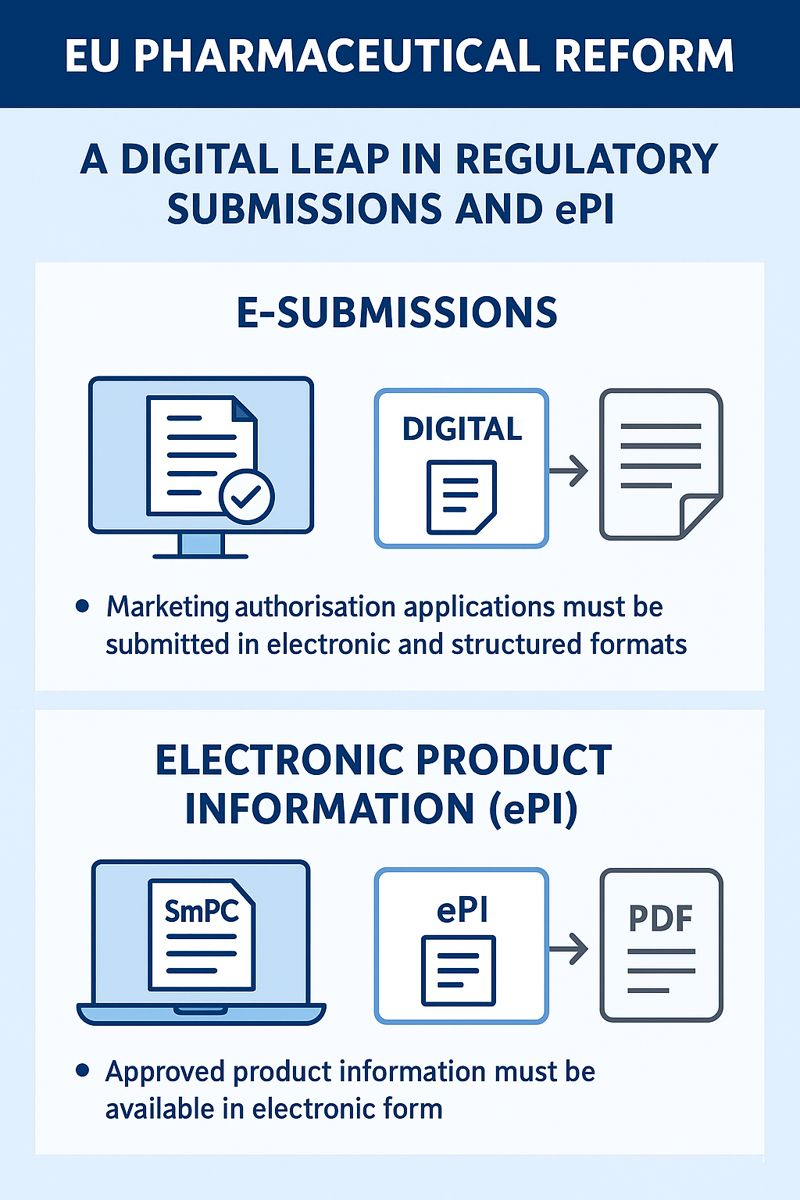
One of the core elements of the reform is the requirement for marketing authorisation applications (MAAs) to be submitted in electronic and structured formats. This shift marks a clear move away from traditionally paper-oriented processes and reflects a broader digital transformation across the EU regulatory ecosystem.
For companies and regulatory professionals, this means:
- Structured digital submissions will become the norm for marketing authorisation dossiers.
- Standardised electronic formats help ensure consistency, facilitate automated processing, and can reduce administrative burden.
- Digitalisation aligns submissions with other modern data standards already emerging in regulatory environments globally.
While the specific electronic formats and technical standards for structured submissions have yet to be fully defined in guidance, the direction is clear — applicants will need to adapt their systems and processes for fully digital regulatory interactions. Guidance is expected to follow once the legislation is formally adopted.
Electronic Product Information (ePI): A New Standard
Another pivotal digital requirement in the reform is the move to make approved product information available in electronic form — commonly referred to as ePI.
What does ePI mean?
Electronic Product Information (ePI) refers to authorised medicine information such as:
- Summary of Product Characteristics (SmPC)
- Package Leaflet
- Labelling
…in formats that are digital-ready, searchable, and adaptable to electronic platforms rather than static PDFs or printed leaflets.
This initiative has already been piloted by EMA and national authorities, enabling companies to create and manage ePIs during regulatory procedures and making them accessible through digital channels such as the EMA Product Lifecycle Management Portal and application programming interfaces (APIs).
Benefits of ePI include:
- Improved accessibility for patients and healthcare professionals via digital devices.
- Searchability and structured access, which support integration into e-health systems and apps.
- Multilingual and up-to-date information, automatically reflecting the latest approved content.
Under the new legislation, making approved product information available in ePI format becomes a formalised requirement, which will further accelerate the transition away from PDFs and static formats toward fully structured digital content for medicines information.
Why this Matters for the Digital Health Ecosystem
The EU’s new regulatory approach reinforces the importance of digital interoperability, standardisation, and data-centric processes:
- Pharmaceutical companies will need to plan ahead for structured regulatory submissions.
- Digital product information will play a key role in how patients and healthcare professionals access medicine information.
- ePI standards position the EU to integrate more deeply with wider digital health initiatives in the region.
The combination of structured electronic submissions and ePI represents a foundational shift toward a truly digital regulatory landscape — one that promises greater efficiency, transparency, and utility for all stakeholders.
Next steps
The political agreement is now subject to formal approval by the European Parliament and the Council.
Over the coming months and years, once the text has been formally approved, EMA will work together with the European Commission and EU Member States, to develop relevant guidance for applicants and marketing authorisation holders to comply with the new legal framework.
If you’re working in regulatory affairs, digital health, or life sciences content management, now is the time to start aligning with these upcoming digital requirements. EMA and the European Commission are expected to release detailed guidance to support implementation once the new legal framework enters into force.
We aim to change digital communication in the healthcare, ask us how we can help you Contact us