The digital transformation of healthcare is accelerating across Europe. From electronic health records to connected medical devices, digital tools are reshaping how care is delivered. One important yet often overlooked element of this transformation is the way instructions for use (IFUs) are provided to healthcare professionals.
Electronic instructions for use (eIFUs) are already widely accepted for many professional-use medical devices. However, near-patient testing devices remain an exception under current EU legislation. This creates a regulatory inconsistency that limits digitalisation, sustainability, and usability in a fast-growing area of diagnostics.
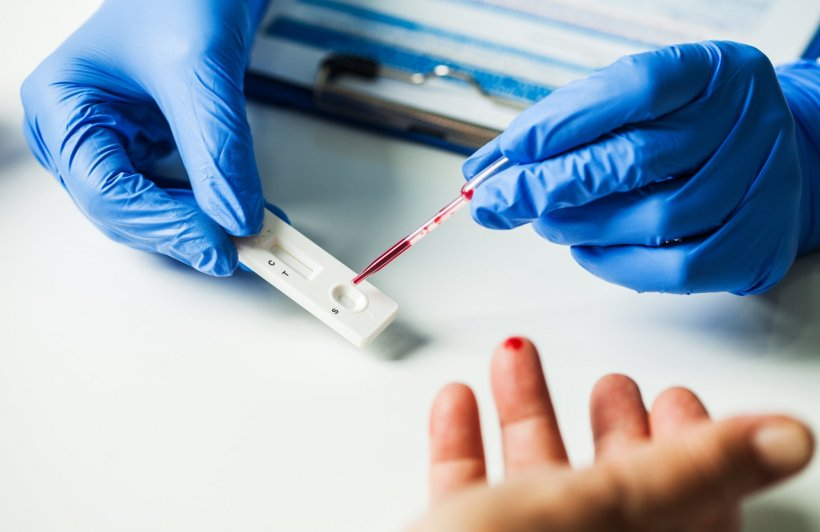
What is near-patient testing
Near-patient testing (NPT) devices, also known as Point-of-Care Testing (POCT) devices, are portable tools used by healthcare professionals (or patients) outside traditional labs for rapid diagnostic tests, providing quick results for immediate treatment decisions in settings like ERs, clinics, or homes, covering tests for glucose, infections, cardiac markers, and more.
By offering quick results and convenience they can improve efficiency and patient outcomes.
Key examples
- Blood Glucose Monitors: For diabetes management.
- Rapid Antigen Tests: For COVID-19, flu, strep throat.
- Urine Dipsticks: For urinalysis.
- Hemoglobin A1C/HbA1c Tests: For diabetic control.
- PCR Analyzers (Portable): For rapid infectious disease detection.
- Coagulation Analyzers: For INR/PT tests
Benefits
- Faster Decisions: Immediate results allow for quicker treatment adjustments.
- Improved Care: Rapid intervention for conditions like hypoglycemia or infections.
- Patient Empowerment: Allows patients (e.g., diabetics) to self-monitor.
- Efficiency: Streamlines workflows in hospitals, clinics, and even ambulances.
Where they are used
- Hospitals (ERs, Wards)
- Doctor's Offices/Clinics
- Ambulances
- community health centres
- Patients' Homes (Self-testing)
The demand for near-patient testing continues to grow. Faster clinical decision-making, an increasing burden of chronic disease, technological advances, and the shift towards more decentralised care models all contribute to the expanding role of these devices in everyday healthcare delivery.
How near-patient testing can transform care delivery
Near-patient testing fundamentally changes how and when clinical decisions are made. By delivering diagnostic results within minutes rather than hours or days, these tests allow healthcare professionals to act immediately. Treatment can begin sooner, patient pathways can be shortened, and unnecessary referrals or hospital admissions can often be avoided.
This rapid access to results is particularly valuable in time-critical situations such as emergency medicine, infectious disease control, and acute care. It is also essential in settings where access to laboratory infrastructure is limited or where patients benefit from receiving answers during a single clinical encounter.
As the sector grows, digital tools are becoming increasingly important to support safe and effective use of near-patient testing devices. Instructions for use play a central role in this. Clear, accessible, and up-to-date instructions help ensure correct test performance, accurate interpretation of results, and patient safety. Electronic instructions can further enhance this by enabling fast updates, search functionality, and flexible presentation formats suited to busy clinical environments.
Current limitations of medical devices regulation preventing the use of eIFUs for near-patient testing devices
Under EU law, the provision of instructions for use is regulated differently depending on the type of device. Medical devices fall under Regulation (EU) 2017/745 (MDR), while in vitro diagnostic devices, including near-patient tests, are governed by Regulation (EU) 2017/746 (IVDR).
The IVDR currently allows instructions for use to be supplied in electronic format for all professional-use in vitro diagnostic devices except near-patient testing devices. As a result, manufacturers of near-patient tests are still required to provide paper IFUs by default, even when the devices are exclusively used by trained healthcare professionals.
In contrast, the regulatory framework for medical devices has recently evolved. Commission Implementing Regulation (EU) 2025/1234 amended Implementing Regulation (EU) 2021/2226 to further expand the range of medical devices for which eIFUs are permitted. This change reflects a recognition that electronic instructions improve accessibility, usability, and sustainability for professional users.
However, this expansion applies only to medical devices under the MDR. Near-patient testing devices remain excluded because they fall under the IVDR, despite being used in very similar clinical settings and by the same types of users. This creates a regulatory gap where two categories of professional-use devices are treated differently without a clear practical justification.
Conclusions: current status and what should be changed
Near-patient testing is primarily performed by healthcare professionals or under their direct supervision. These users are trained, digitally equipped, and accustomed to accessing information electronically in their daily work. In this context, the continued mandatory provision of paper IFUs for near-patient testing devices appears increasingly misaligned with clinical reality.
Allowing eIFUs for near-patient tests would support safer and more efficient use by ensuring that professionals always have access to the most current validated instructions. It would also reduce unnecessary paper waste, simplify logistics, and align the in vitro diagnostics sector with broader EU objectives on digitalisation and environmental sustainability.
Paper instructions should, of course, remain available free of charge for those who need or request them. But there is little justification for requiring paper by default when electronic access is both feasible and preferred in professional settings.
Updating the IVDR to permit electronic instructions for near-patient testing devices would close an existing regulatory inconsistency and better reflect how healthcare is delivered today. It would be a pragmatic step towards a more digital, sustainable, and user-centred regulatory framework for in vitro diagnostics in Europe.
References
-
Regulation (EU) 2017/746 on in vitro diagnostic medical devices (IVDR) European Parliament and Council Regulation laying down rules for in vitro diagnostic medical devices, including requirements for instructions for use and their format. https://eur-lex.europa.eu/eli/reg/2017/746/oj
-
Commission Implementing Regulation (EU) 2025/1234 of 25 June 2025 Amending Implementing Regulation (EU) 2021/2226 as regards the medical devices for which the instructions for use may be provided in electronic form. https://eur-lex.europa.eu/eli/reg_impl/2025/1234/oj
-
Commission Implementing Regulation (EU) 2021/2226 Laying down rules on electronic instructions for use for medical devices and in vitro diagnostic medical devices, as amended. https://eur-lex.europa.eu/eli/reg_impl/2021/2226/oj
-
Regulation (EU) 2017/745 on medical devices (MDR) European Parliament and Council Regulation governing medical devices, including professional-use devices eligible for electronic instructions for use. https://eur-lex.europa.eu/eli/reg/2017/745/oj
More information about the eLeaflet solution for IFUs and digital leaflets is available on the eLeaflet website